
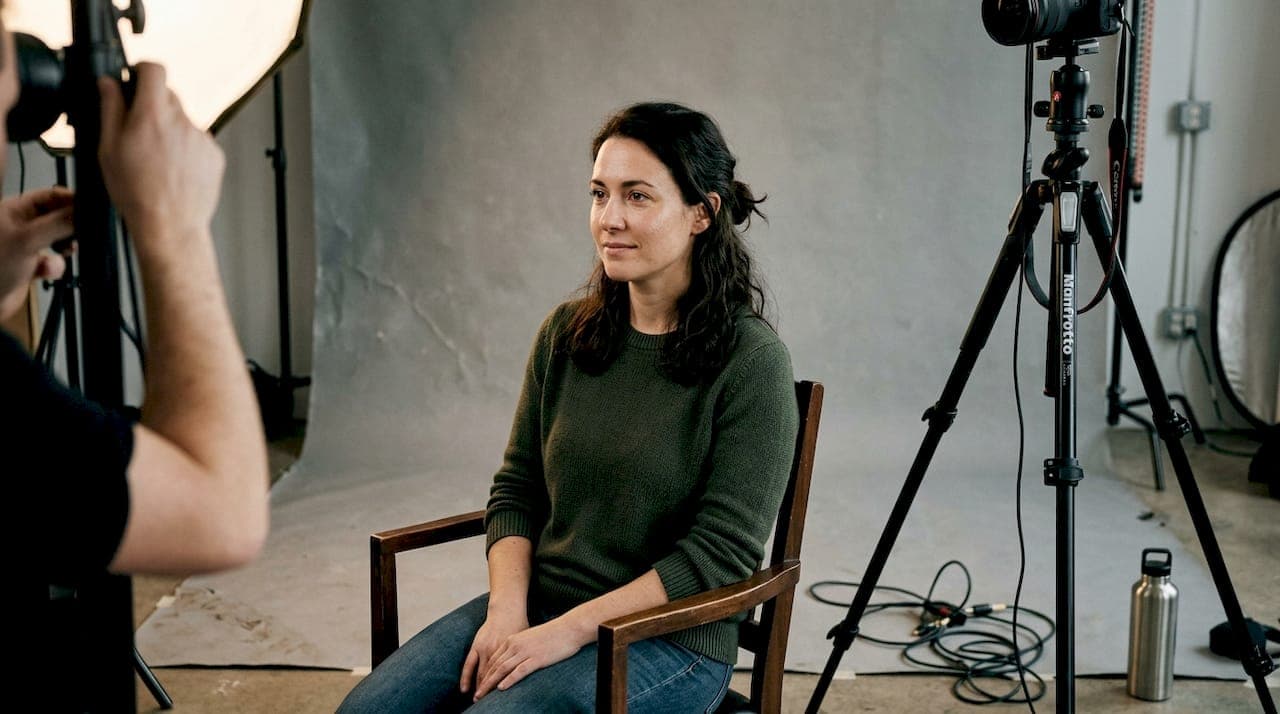
What are studio portraits and how they capture your essence
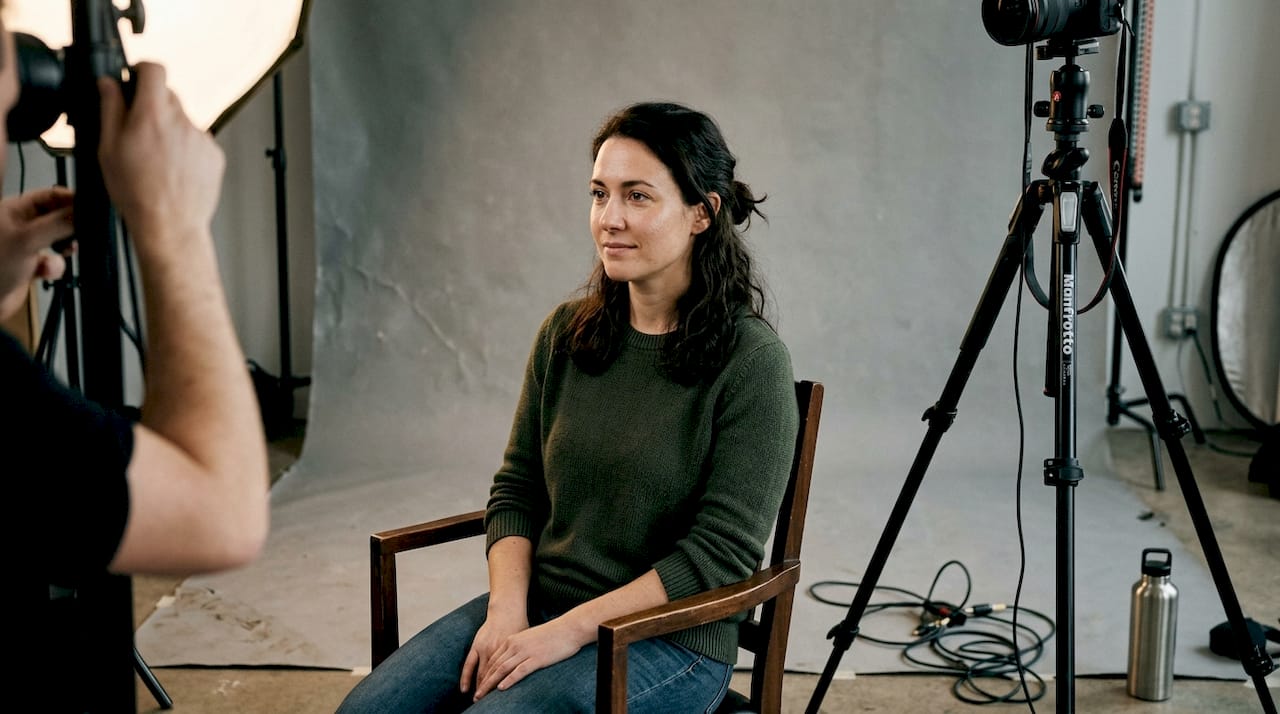
Many people believe that studio portraits are cold, stiff, or artificial. This mistaken idea ignores the reality: a well-designed studio allows you to control every element to capture genuine emotions and authentic personality. The light, background, and environment are adjusted to reflect who you really are. In this guide, you will discover what defines studio portraits, the lighting techniques that transform expressions, how to prepare for successful sessions, and practical applications in Palma de Mallorca.
Table of Contents
- Key Points
- What studio portraits are and why they are unique
- Essential lighting techniques and schemes in studio portrait photography
- Preparation and setting to capture authentic personality in studio portraits
- Practical applications and trends of studio portraits in Palma de Mallorca
- Discover artistic and professional portraits in Palma with arnds.photos
- Frequently asked questions about studio portraits
Key Points
| Point | Details |
|---|---|
| Studio Definition | Studio portraits are taken in a controlled environment that allows you to adjust lighting, background, and atmosphere to capture your personality and emotions. |
| Lighting and Schemes | Lighting defines the portrait, and schemes like three-point or Rembrandt allow you to model features, create depth, and generate different atmospheres. |
| Preparation and Setting | A successful session depends on proper preparation and setting, with constant communication between the subject and the photographer. |
| Applications in Palma | In Palma de Mallorca, portraits can serve corporate or artistic purposes while maintaining control, privacy, and consistency between multiple shots. |
What studio portraits are and why they are unique
Studio portraits capture personality and emotions within a completely controlled environment. Unlike outdoor photography, where natural light varies constantly, the studio allows you to manipulate every light source, background, and angle. This control ensures consistent and professional results, eliminating unpredictable variables such as weather changes or visual distractions.
The true magic lies in how this environment facilitates emotional connection. Without external worries, you and the photographer can concentrate solely on capturing your essence. The lighting is adjusted to highlight specific features, create depth, or generate dramatic atmospheres. Neutral backgrounds focus attention on your face and expression, while more elaborate options can reinforce artistic or corporate messages.
The studio portraits in Palma offer unparalleled versatility. You can choose soft lighting that conveys warmth and closeness, or contrasting schemes that communicate strength and determination. Each session is customized according to your objective: from corporate headshots to artistic projects that explore identity and vulnerability.
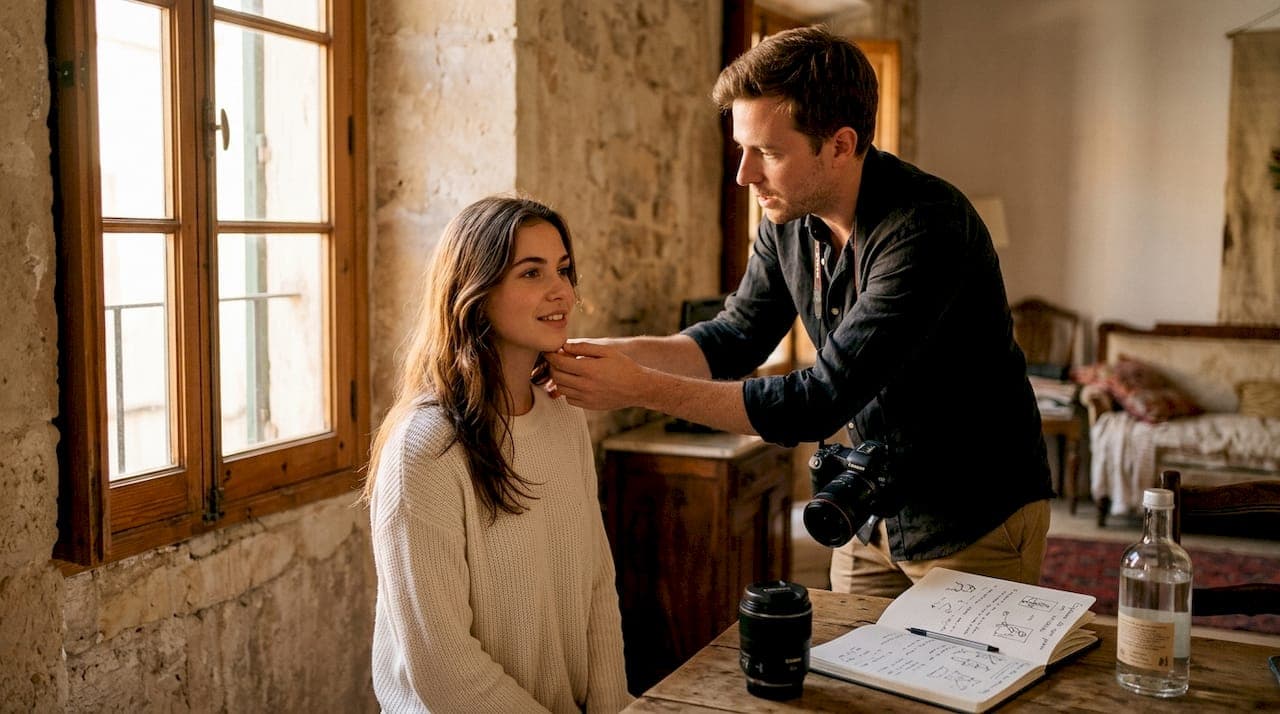
This technical control does not mean rigidity. The best photographers combine technical precision with natural direction. They guide you in poses, subtly adjust your posture, and create conversation to help you relax. The result is images that reflect authenticity, not forced poses.
Main advantages of studio portraiture:
- Absolute control over lighting and environment for predictable results
- Elimination of visual distractions that divert attention from the subject
- Flexibility to experiment with multiple lighting schemes in one session
- Privacy and comfort that facilitate genuine expressions
- Ability to reproduce exactly the same setup for cohesive series
Professional tip: Maintain constant communication with your portrait photographer in Palma during the session. Share how you feel, what makes you uncomfortable, or what you would like to try. This feedback allows for immediate adjustments that transform good portraits into extraordinary ones.
The fundamental difference between studio and outdoor photography lies in the intent. While outdoor photography takes advantage of existing elements, the studio builds the perfect environment for your story from scratch. Every technical decision serves a narrative purpose, creating images that transcend documentation to become art.
Essential lighting techniques and schemes in studio portrait photography
Lighting completely defines the character of a portrait. The three-point lighting scheme is the most commonly used technical foundation: key light that models the face, fill light that softens shadows, and backlight that distinguishes the subject from the background. This setup offers total control over dimensionality and atmosphere.
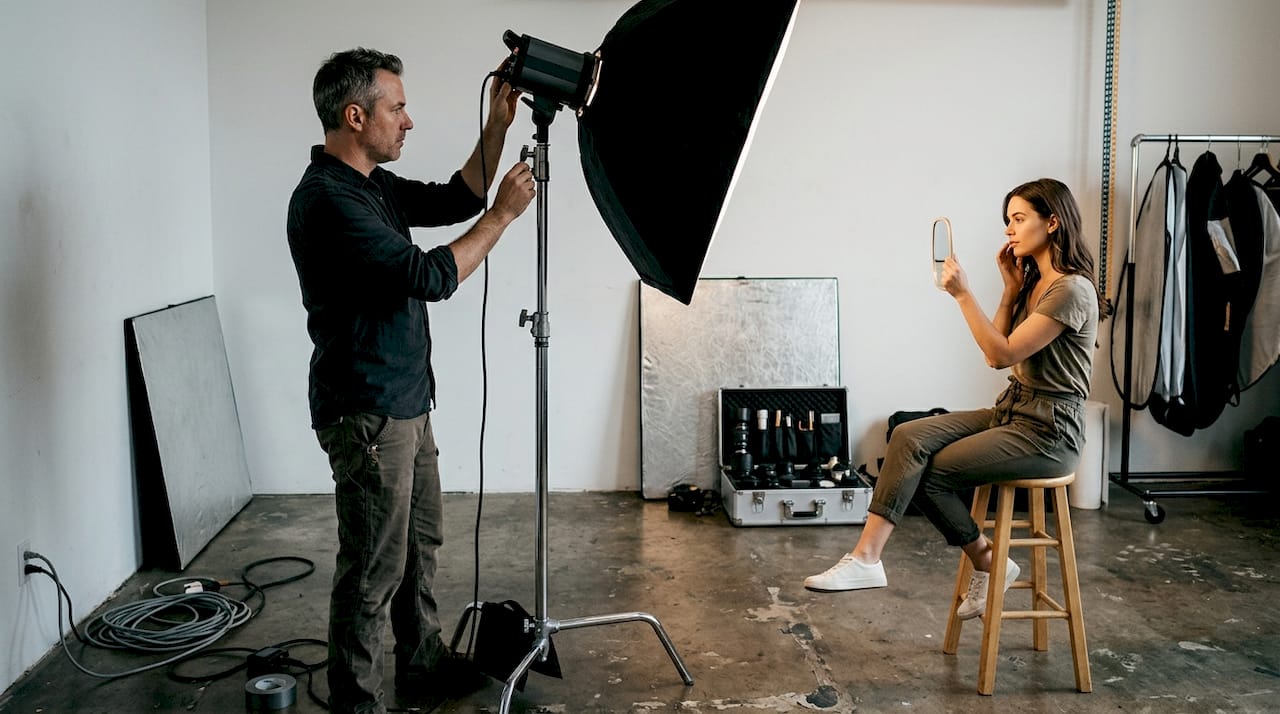
Rembrandt lighting, named after the Dutch painter, creates a characteristic triangle of light on the shaded cheek. This dramatic effect adds depth and mystery, ideal for artistic portraits seeking visual impact. Positioning the key light at a 45-degree angle to the subject and slightly elevated generates this instantly recognizable pattern.
The modifiers transform light quality. Softboxes diffuse light to create smooth transitions between light and shadow, perfect for corporate portraits that require a professional yet approachable appearance. Snoots concentrate the beam on specific areas, allowing for selective lighting of eyes or creating dramatic accents. Color gels add emotional dimension, from warm tones that convey intimacy to blues that communicate professionalism.
Common modifiers and their applications:
- Rectangular softboxes for enveloping, natural light in corporate portraits
- Beauty dishes that highlight skin texture while maintaining softness
- Silver umbrellas for broad and economical lighting
- Grids that control light dispersion for focused effects
- Foldable reflectors that bounce light without additional electrical equipment
| Lighting scheme | Visual effect | Best use |
|---|---|---|
| Rembrandt | Light triangle on the cheek, dramatic and deep | Artistic portraits, actors, creative profiles |
| Loop | Descending nose shadow, versatile and flattering | Corporate headshots, LinkedIn, general use |
| Butterfly | Shadow under the nose, glamorous and symmetrical | Fashion, beauty, classic female portraits |
| Split | Half lit, half shadow, high contrast | Artistic projects, dramatic expression |
Professional tip: Avoid positioning the main light too high. This eliminates the natural sparkle in the eyes, known as catchlights, which conveys vitality and connection. The eyes should reflect the light source to maintain life in the gaze.
The color temperature also significantly influences the outcome. Tungsten lights generate warm tones that evoke nostalgia and closeness, while daylight-temperature flashes produce sharp, neutral images. Many photographers combine both to create layers of color that add visual complexity.
Mastering these lighting schemes requires practice and experimentation. Each face responds differently to light. Prominent features may require more frontal lighting to soften them, while flat faces benefit from side light that creates dimension. The key is to adapt established techniques to each unique individual.
Preparation and setting to capture authentic personality in studio portraits
Preparation determines the success of any portrait session. Before stepping into the studio, create a mood board with visual references that communicate the style and emotions you want to capture. Pinterest, Instagram, or magazines offer abundant inspiration. Share these references with your photographer to align expectations and creative vision.
The choice of wardrobe directly impacts the final result. Prefer matte finishes and neutral colors to keep the focus on your face and expression. Shiny fabrics or complex patterns distract attention and can generate unwanted reflections. Solid colors in earth tones, navy blue, or gray work universally well.
Inducing a relaxed attitude requires more than just reassuring words. Arrive at the studio with enough time to familiarize yourself with the space. Have an informal conversation with the photographer before starting. This human connection translates directly into a naturalness in front of the camera. Deep breaths and gentle movements help release physical tension noticeable in shoulders and jaw.
Essential steps for successful preparation:
- Plan your wardrobe three days in advance to avoid rushed decisions
- Hydrate well for 48 hours prior to achieve glowing, healthy skin
- Get enough sleep the night before for rested, expressive eyes
- Avoid alcohol and heavy meals that can cause facial bloating
- Arrive 15 minutes early to acclimate to the space without pressure
- Openly communicate insecurities or angles you prefer to avoid
- Trust the photographer's direction while maintaining authenticity
Common mistakes include overly frontal lighting that flattens features and eliminates dimension. This problem arises when inexperienced photographers try to remove all shadows, resulting in flat faces without character. Some shadow is necessary to create depth and definition.
The lack of separation between the subject and background creates images where the person seems to blend into the environment. A separation light positioned behind the subject creates a subtle halo that clearly distinguishes hair and shoulders from the background, adding professional three-dimensionality.
Another frequent mistake is over-retouching images to the point of removing natural skin texture. The best portraits maintain authenticity while correcting temporary imperfections. Freckles, expression lines, and unique features should be preserved because they define your identity.
Considering participating in a studio photography workshop allows you to understand the process from the inside. This perspective eliminates mystery and anxiety, transforming you into an active collaborator during your own session. Understanding how light works helps you respond better to directions and suggestions.
The musical ambiance also influences. Many studios allow you to play your favorite music during the session. Rhythms you enjoy naturally relax your expression and can inspire more fluid movements. This personalization turns the session into a pleasant experience rather than a stressful obligation.
Finally, remember that professional headshots in Palma require additional specific preparation. Researching standard corporate poses, practicing neutral yet approachable expressions, and considering how your industry expects you to present yourself adds layers of professionalism to the result.
Practical applications and trends of studio portraits in Palma de Mallorca
The studio portrait market in Palma balances artistic and corporate demand. Freelancers, entrepreneurs, and corporate teams recognize the value of images that communicate authenticity and competence. Simultaneously, individuals seek artistic portraits that explore identity beyond commercial applications.
Comments (0)
No comments yet. Be the first!
Leave a comment
More Posts
sony rx1r iii — my verdict after months of real use
after months with the sony rx1r iii as my everyday camera, here's my honest verdict. excellent image quality, the size paradox, and why i still prefer my a1 ii for street.
The Photographer's Role in Authentic Portraits 2026
Discover how a photographer in Palma captures authentic essence through emotional connection, technical precision and Mallorca's distinctive Mediterranean light.